

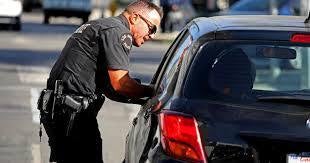
Beginning January 1, 2026, a new Tennessee law requires law enforcement officers to clearly explain why they are stopping someone during a traffic or pedestrian encounter. The change aims to increase transparency, improve communication between officers and the public, and strengthen trust in policing practices.
The requirement is codified in Tennessee Code Annotated § 38-3-125, which establishes a clear duty for officers to disclose the reason for a stop at the start of the interaction.
What the Law Requires
Under TCA § 38-3-125, officers must provide the specific reason for initiating a stop. This applies to both traffic stops and pedestrian stops.
1. Officers Must State the Reason for the Stop
Subsection (a) of the law mandates that any law enforcement officer who initiates a stop must inform the individual of the specific reason for the stop.
This means individuals should expect to hear a clear explanation such as:
-
A traffic violation (e.g., speeding, failure to signal)
-
A vehicle equipment issue (e.g., broken taillight)
-
A suspected legal violation or investigation
Providing this explanation helps ensure individuals understand the purpose of the interaction from the outset.
2. The Timing Requirement
Subsection (b) establishes when the explanation must occur.
Officers are required to state the reason for the stop before engaging in questioning related to a criminal investigation or the suspected violation.
In practical terms, this means the officer must explain why the stop occurred before asking investigative questions. The intent is to prevent confusion and ensure individuals know the context of the encounter.
3. The Safety Exception
The law also recognizes that certain situations may pose immediate safety risks.
Under subsection (c), an officer is not required to provide the reason for the stop immediately if the officer has a reasonable and articulable belief that doing so would create an imminent threat to safety.
This exception applies if the officer believes disclosure could endanger:
-
The officer
-
The person who was stopped
-
Members of the public
Once the safety concern is addressed, the reason for the stop may still be provided when it becomes safe to do so.
Why This Law Matters

The new requirement serves several purposes:
Transparency:
Clearly explaining the reason for a stop helps eliminate uncertainty during encounters with law enforcement.
Accountability:
The law encourages officers to clearly articulate the basis for the stop at the outset.
Public Trust:
Open communication can help reduce tension and foster more constructive interactions between officers and community members.
What Drivers and Pedestrians Should Expect
Starting in 2026, individuals stopped by law enforcement in Tennessee should typically hear the officer explain the reason for the stop before any investigative questioning begins.
Most interactions may sound like:
“I stopped you because your brake light is out,” or
“I stopped you for speeding.”
This initial explanation sets the stage for the rest of the interaction.
Final Thoughts
The implementation of Tennessee Code Annotated § 38-3-125 represents a step toward clearer communication in routine law enforcement encounters. While officers retain the ability to prioritize safety when necessary, the law generally ensures that individuals understand why they were stopped from the very beginning of the interaction.
As the January 2026 effective date arrives, both officers and the public will begin adjusting to this new expectation of transparency in traffic and pedestrian stops. At Kaufman Monroe Law, we help folks throughout Tennessee and the Mid-South cdeal with the life-long problems that can arise from contact with the police. 📞 Call Kaufman Monroe Law, at 901-202-4747 today to discuss your concerns. This page is for informational purposes only and is not legal advice and is not a substitute for the services of an experienced and qualified attorney.

Comments
There are no comments for this post. Be the first and Add your Comment below.
Leave a Comment